Low fog for a first dance: what to coordinate
Plan the song, venue permissions and running order for a wedding first dance. Questions to ask before reserving effects.
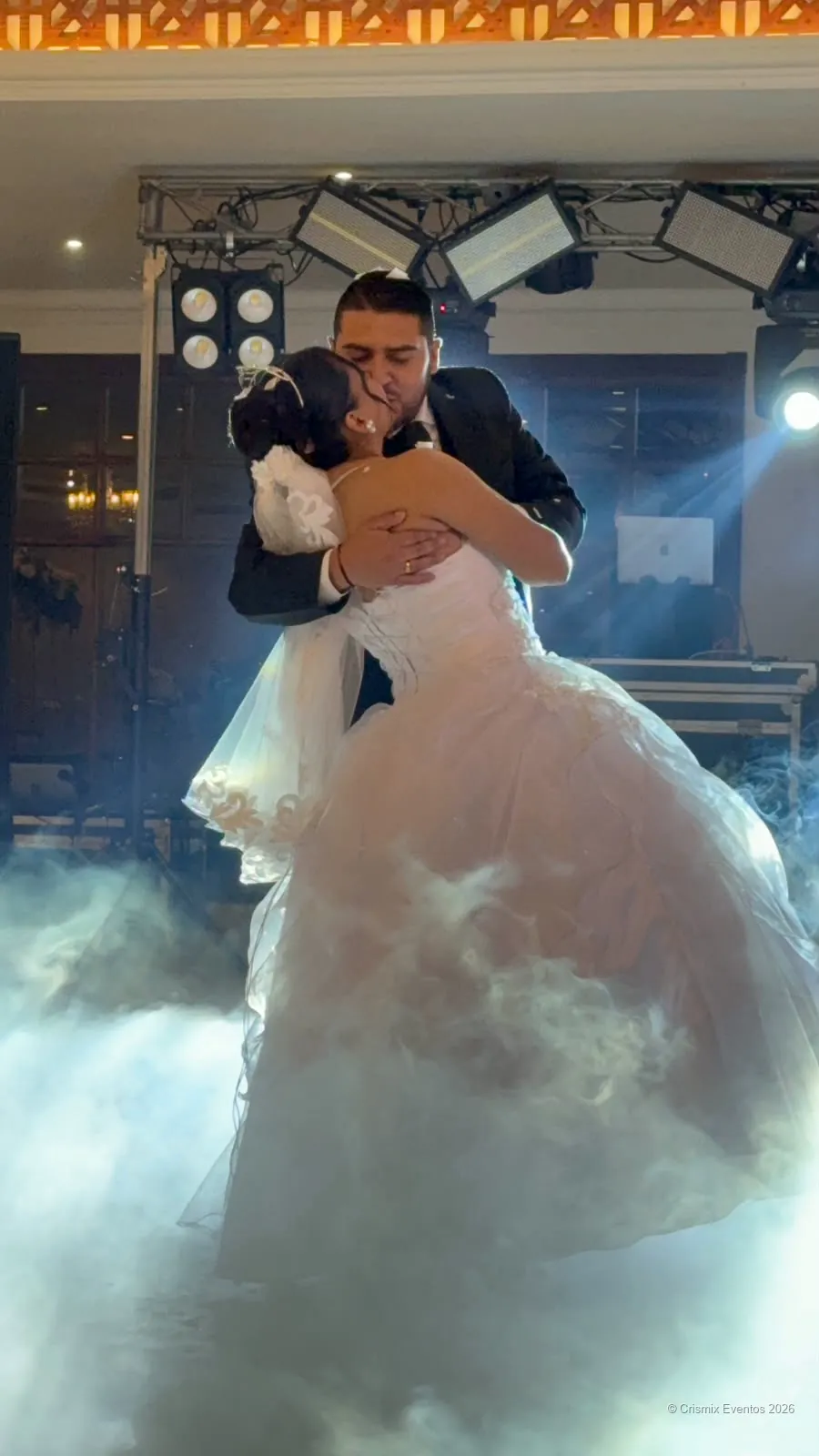
Start with the moment, not a machine
When you enquire about low fog for a wedding, the important starting point is usually the moment you want to prepare. It might be a first dance, an entrance or another part of the reception. Describe that intention and share a reference if you have one, explaining which aspect you like. A photograph can communicate an idea, but it does not guarantee the same appearance in a different venue. The actual location and coordination need to be reviewed. Your first enquiry helps establish whether the service fits the plan and which information is still needed. You do not have to select equipment yourself. You do need a shared understanding of what the couple wants to highlight and who is helping to organise that moment.
Discuss low fog, CO₂ and confetti separately
Different effects are sometimes described as if they were a single service. If a reference shows fog near the dance floor, jets or falling confetti, explain which part interests you and send the relevant image or video. Ask which Crismix service corresponds to that idea and what its conditions are. Clarify whether you want one effect or several at different moments. An enquiry about low fog does not automatically include CO₂, confetti, sound or lighting. A clear proposal identifies what is being quoted. That distinction makes comparisons more useful and helps avoid conversations in which two people believe they are discussing the same effect while referring to different examples. Keep the agreed reference with the proposal so changes can be explained clearly later.
Describe the dance before every detail is final
You can start by saying whether the couple will dance alone, whether there is an entrance first and whether relatives or friends will join afterwards. A finished choreography is not required to make an enquiry. Explain what has been decided and what remains open: the song, approximate sequence, dance-floor position or person introducing the couple. If someone is organising the reception, agree how that person will coordinate with the supplier. The supplier needs to understand the programme to review the service, while you need to understand the conditions before reserving. If the plan changes, ask whether the proposal still applies. An early reference should develop alongside the actual reception programme rather than remain an assumption that nobody has checked.
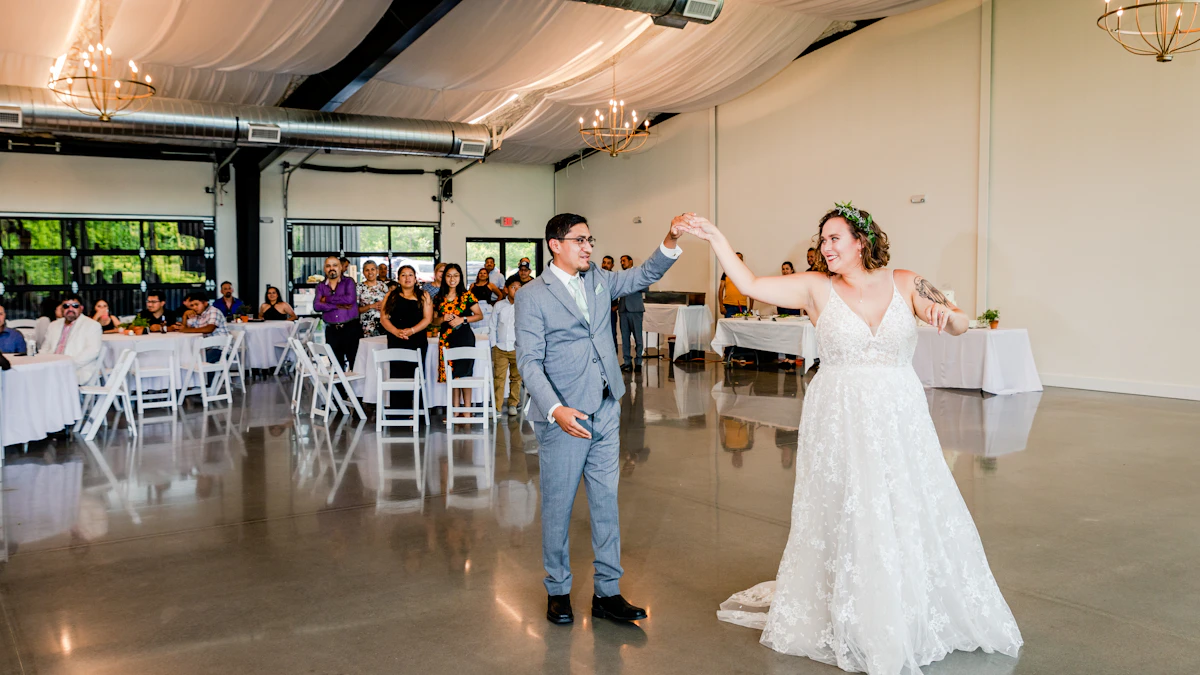
Questions to ask the venue
Ask whether the venue permits the effect you want and which information it requires from suppliers. Find out who reviews that permission and how access and setup should be coordinated. If there are written conditions, pass them to the supplier. Permission at another hall should not be assumed to apply here, even if you have seen a similar wedding there. Explain where the dance floor will be and how tables, entrances and other services are arranged. These questions gather information for the people responsible for reviewing the setup. They are not operating instructions or a substitute for technical assessment. Confirm the conditions of the specific venue before reserving so the proposal does not depend on a general impression of what might be allowed.
| Service | Moment | What to coordinate |
|---|---|---|
| Low fog | First dance or entrance | Venue conditions and programme |
| Cold sparks | A special entrance or dance | Venue conditions and service scope |
| CO₂ guns | A party moment | Conditions for the actual space |
| Hora loca | A part of the celebration | Music and hosting programme |
Coordinate the song and announcement
Write down the song you want to discuss and how the first dance will be introduced. If there is a special edit, ask how to share it and who will confirm the agreed version. Mention any entrance, speech or transition before the dance. The reception organiser can gather those details and discuss how cues will be communicated with the participating suppliers. If sound and effects are provided by different teams, do not assume they already know each other’s programme. Share a simple order and identify a contact. A complex document is not necessary. The agreed version should simply be understandable to the people involved, with a clear way to communicate a change instead of several conflicting instructions arriving at different times.
Include photography and video in the conversation
Tell the people documenting the wedding what moment is planned and where it will happen. Share the programme and ask whether they need to coordinate their position with the venue and other suppliers. Use visual references to explain preferences rather than assuming an identical result from another celebration. Lighting, layout and recording choices are matters for the people responsible for those services to discuss. Crismix can review the effect enquiry while the photography and video team explains its own proposal. The useful objective is a common idea of the dance. A particular photograph should not be promised as a substitute for planning. Talk about the moment and expectations early enough for each supplier to identify what needs clarification and what belongs to its own scope.
Turn an idea into a short running order
A simple programme might include the couple’s introduction, entrance to the dance floor, beginning of the song and the end of the dance. Note whether other guests join afterwards and who communicates changes. If times are provisional, label them that way. Once the reception has an agreed programme, share it and ask how adjustments should be handled. Avoid sending different instructions through separate conversations without telling the coordinator. A running order helps you ask more precise questions when discussing the quote and organising the service. It does not guarantee an event outcome on its own. Its value is reducing uncertainty about what is planned, when it will happen and which person should answer questions if the programme needs to change.
What the quote should make clear
Ask which effect is offered, which moment it covers and what the venue must confirm. Check the date, location and schedule, as well as setup and removal arrangements where those form part of the agreement. If sound or lighting is also being discussed, separate included services from optional additions. Ask how a change of venue, date or programme would be reviewed before reserving. Do not compare proposals only by their photographs: establish whether they refer to the same service and space. If a condition is unclear, ask and keep the answer with the proposal. The purpose is an informed decision and a shared understanding of what has actually been agreed, rather than expectations based on an attractive reference that has not been reviewed for your wedding.

If the date or venue is still undecided
You can make a preliminary enquiry and explain which decisions are still being organised. Describe the wedding, city and moment of interest, then ask what must be confirmed before a specific proposal can be prepared. An initial conversation should not be presented as a completed reservation. Availability needs to be checked against the final date and place under the agreed conditions. If you are comparing halls, gather their answers about effects and supplier access. That makes the later enquiry more precise. Technical language is not required to start, but the supplier should know what may change and what kind of information you need at this stage. This avoids treating an exploratory conversation as confirmation of a service that still depends on important details.
A useful enquiry message
You could write: “We are planning a wedding in this city, at this venue and on this date. We are interested in low fog for the first dance. This is our song reference, and this person is coordinating the reception. The venue has provided these conditions. Can you check availability and tell us what information is missing?” Identify any details that remain undecided. Add sound, lights, CO₂ or confetti as separate enquiries when relevant. Crismix receives enquiries for Azuay, Cañar, Cuenca, Gualaceo and throughout Ecuador, with transport and availability confirmed for each request. Review actual photographs as examples of the work, then ask about your own event. Coordination starts with the real wedding and its venue rather than reproducing an image without checking the space.
Use references to communicate a preference
Explain whether you like the timing of the dance, its relationship with lighting or the entrance sequence in a reference. Send the complete link where possible and identify the relevant part so everyone looks at the same moment. Ask what can be reviewed for your venue and which differences should be considered. A reference should not become a promise that nobody has confirmed. Another couple’s reception may involve a different layout, programme and suppliers. Keeping the reference as a starting point makes decisions clearer. Save answers with the proposal and update the plan when the venue changes. Share the agreed version with photography, video and effects suppliers so each can explain the scope of its own service rather than assume responsibility for the entire scene.
When someone else organises a surprise
A relative, friend or reception organiser may want to prepare a surprise for the couple. Distinguish who can make decisions, who must know the plan and which details remain a surprise for the newlyweds. The venue and participating suppliers still need the information required to coordinate what is being prepared. Ask how to share the programme with the responsible people and keep an agreed version. If the song or entrance changes, inform the main contact before sending independent instructions. Clarify which service is being discussed and who confirms the reservation, so an informal conversation is not mistaken for a booking. A helper can collect references, questions and outstanding details while the actual service and conditions remain clear to those contracting and providing it. That preserves the surprise without depending on improvised decisions about effects or the venue.
Additional moments: cold sparks and hora loca
Crismix also offers cold spark effects, CO₂ guns and hora loca. If one of these interests you, describe the moment separately from the first dance and ask about the venue conditions. A reference might combine several effects, so identify which part you want to discuss. Give the event host and DJ the same running order when their services are involved. This helps distinguish an entrance, first dance and later party moment instead of treating the entire reference as one undifferentiated request. Ask which elements are included and which remain optional. The actual service conditions need to be confirmed for the place; an example video does not establish permission to use an effect at another venue. You can gather references before every detail is decided, but mark what is exploratory. The final programme and agreed services should be understandable to the people coordinating the reception.
Frequently asked questions
The date, venue, song and first-dance programme, together with venue conditions for effects.
Yes. Tell us what is confirmed and what is still undecided. Availability and service conditions are confirmed for the actual request.
Image credits
Cover photograph: Crismix Eventos.