What sound does your small party need?
Describe the space, guests and programme before choosing equipment. Practical advice for birthdays, weddings and family celebrations.
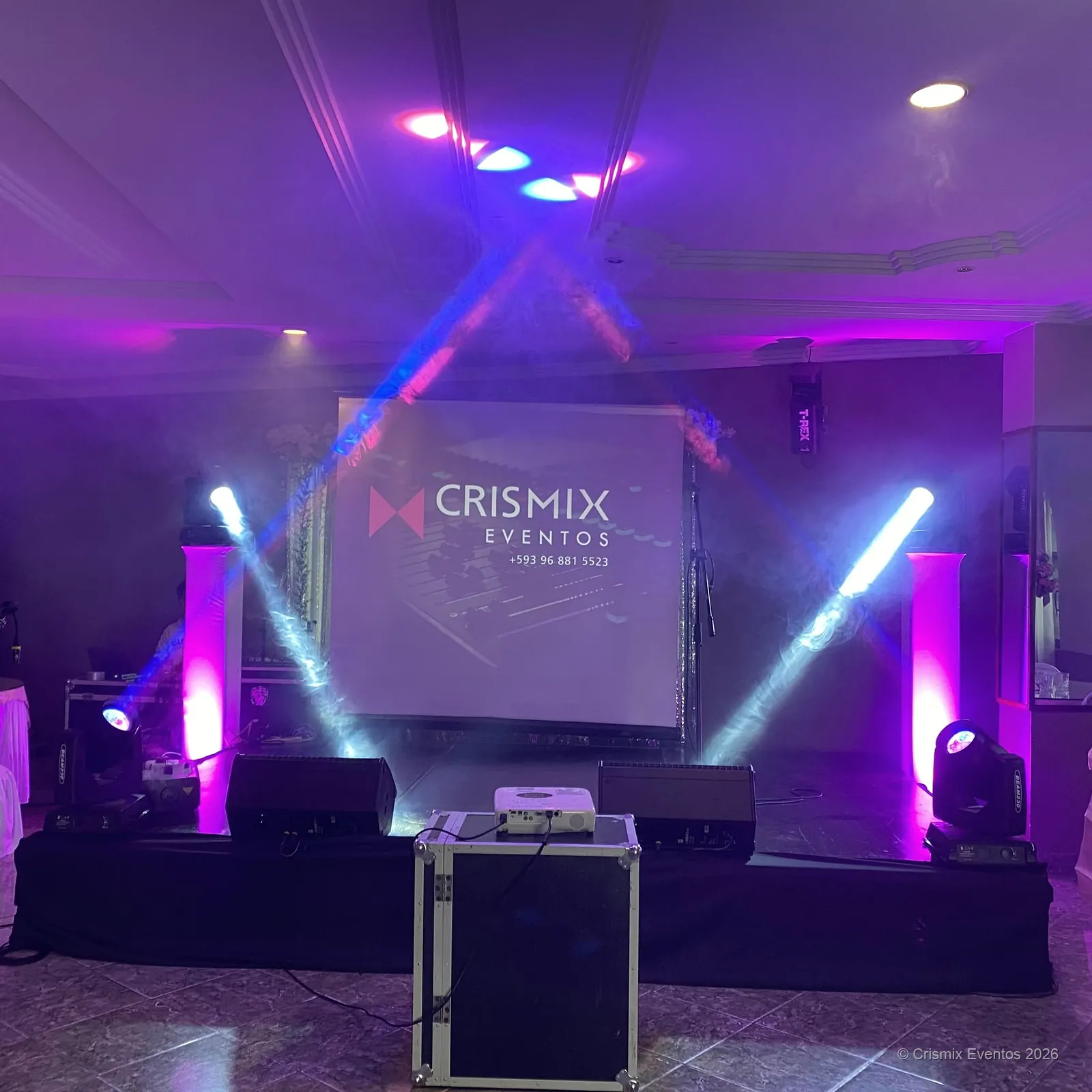
What sound does a small party need?
A small party is not defined only by its guest count. A family gathering in a living room, a reception in a hall and a celebration in a garden can involve similar numbers of people but different spaces and programmes. Start by describing where guests will sit, where they will dance and where anyone making an announcement will stand. That gives the supplier more useful context than a request for a particular number of speakers. If you have photographs of the venue, share them with its location. If you are comparing venues, explain which details are confirmed and which may change. You do not need to choose equipment models before making an enquiry. The first objective is to describe the celebration clearly enough to discuss a proposal that matches it.
Background music, dancing and speeches
Think about the sequence your guests will experience. There might be background music during arrivals, a family speech, a presentation and then dancing. Write down those moments and identify which take place in the same room. If someone will sing or play an instrument, mention that before reserving: recorded music and a live performance are different requests. Clarify who will provide the music and who will introduce each part of the programme. Ask what the proposal includes and what each person needs to provide. This helps you discuss sound in terms of the event rather than an unfamiliar equipment list. It also identifies optional services that should be considered separately instead of being assumed to form part of the booking.
Describe the venue in everyday language
You can describe a hall with dining tables and a dance floor, a house with a patio or a reception on a terrace. Mention whether there is more than one area and where music is expected. Ask the venue where equipment may be placed and when suppliers can enter. A general photograph or short video can help explain the layout, although it does not replace any review the setup may require. Share the venue’s rules about sound, access and event hours before confirming a proposal. The aim is to make sure everyone is discussing the same space. If furniture or the dance floor will move during the celebration, explain that too so it can be considered rather than discovered unexpectedly.

Guest estimates and changes to the plan
If your guest list is not final, send an estimate and say that confirmations are pending. This is more useful than presenting a provisional number as fixed. Tell the supplier when the guest count, layout or location changes and ask whether the proposal needs review. Moving from a house to a hall, adding a second room or including a performance can change the request. A quote responds to particular information; when the plan changes, it should be discussed again. Do not assume that every alteration is included or that every alteration creates an extra charge. Ask directly and keep the version you finally agree so the described services can be compared with the actual celebration you are preparing.
| Need | Information to share | What to confirm |
|---|---|---|
| Background music | Rooms and conversation periods | Areas covered |
| Dancing | Dance floor, guests and hours | Sound and lighting proposal |
| Speeches | Who speaks and from where | Microphones and announcements |
| Live performance | Artist requirements | Information the performer must provide |
An example: a birthday at home
Imagine a family birthday with food, a short speech and dancing in the garden. Your first message could give the date, neighbourhood, approximate guest count and schedule. Explain where people will gather during each moment and whether a covered area is available. Mention who is organising the music and whether you want to ask about a microphone. If lighting interests you, identify it as a separate option. This example describes information for an enquiry, not a package or a recommendation of equipment capacity. Every house has different conditions, which must be reviewed for the actual place. The useful outcome is a common understanding of the party and a clear explanation of what you are asking to hire.
An example: a wedding or quinceañera reception
A reception might include an entrance, family speeches, a waltz or first dance and a party afterwards. Share that order even if exact times are not available yet. Explain who will announce each moment and whether the venue provides other services that need coordination. If the ceremony takes place somewhere else, say so explicitly rather than assuming the same request covers it. Lighting and effects can be considered as priorities or optional additions. Keeping those categories clear makes proposals easier to compare. You are not expected to become an audio specialist. A simple event programme helps everyone identify what each part of the celebration needs and which conditions still require confirmation before a booking can be completed.
What to check in a sound quote
Before reserving, clarify the service, date, venue and agreed hours. Ask about setup, removal and transport arrangements. If you need microphones, lighting or support for a presentation, confirm whether those are included or quoted separately. Ask how programme changes will be communicated and who should be contacted during coordination. Compare proposals against the same event description rather than selecting purely from the longest equipment list. If something is missing or unclear, ask before accepting it. Suppliers do not necessarily work in the same way, so this review helps you identify real differences. Keep the written proposal and the answers together so expectations can be checked against what was actually agreed, not against an assumption made during an earlier conversation.
Questions for the venue
Ask when suppliers may enter, where the setup can go and who coordinates access. Check for music curfews or other conditions specific to the place. For an outdoor celebration, ask the venue organiser what alternative has been planned if the weather changes. Pass that information to the supplier rather than improvising equipment arrangements or electrical connections yourself. Confirm that the tables, dance floor and access routes will be arranged as described. These questions gather venue information; they do not replace a technical assessment or ask you to take responsibility for something outside your role. When everyone refers to the same layout and venue conditions, it becomes easier to discuss the proposed setup and identify what must be clarified before the event.
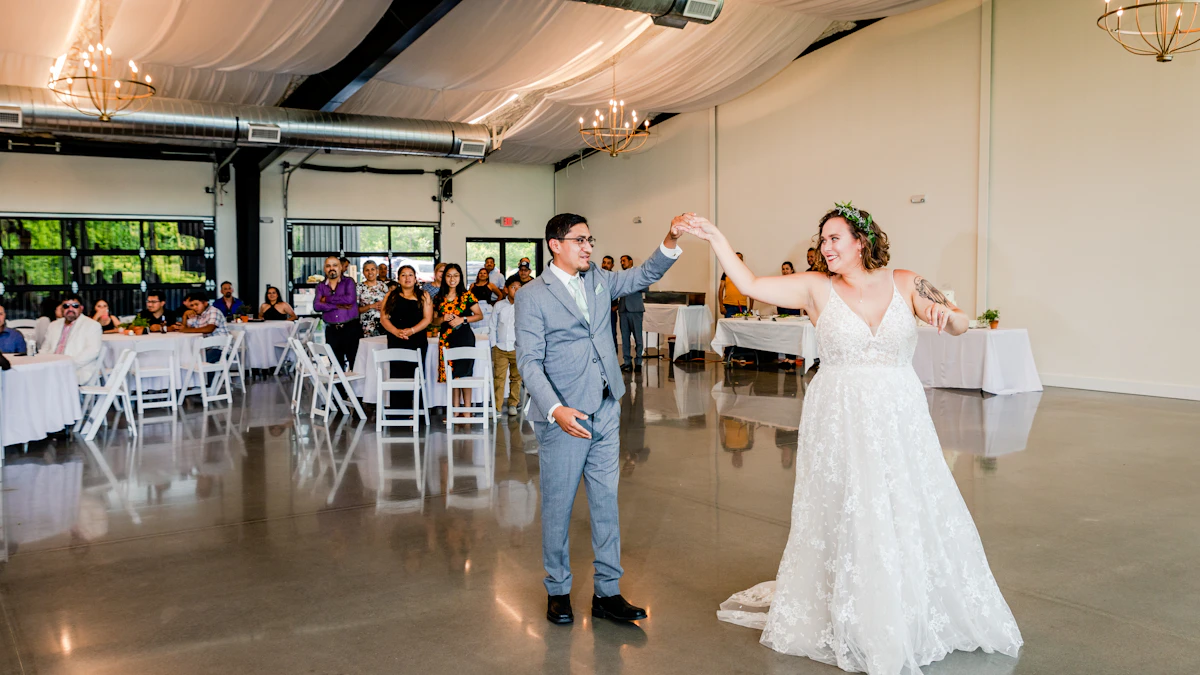
Organise music and announcements
Prepare a short list of important moments and the music you want to discuss for each one. Separate the entrance, toast, special dance and general party music. Mark songs that are essential and distinguish them from examples of a preferred style. Ask how to provide this information and how updates should be handled under the agreement with the supplier. If a relative will announce something, include that person in the coordination so they know whom to contact. A shared programme reduces reliance on someone remembering every change on the day. Music selection, playback and announcements should be clarified in the service agreement; a role should not be treated as included simply because it has not yet been discussed.
Send a useful first message
You could write: “I would like to enquire about sound for a birthday in Cuenca, in a garden with a covered area. The date and hours are these, and we expect approximately this many guests. There will be food, a speech and dancing. I would like to discuss sound and, separately, lighting.” Replace the details with your own and identify anything still undecided. Adapt the programme for a wedding, quinceañera or baptism reception. Crismix receives enquiries for Azuay, Cañar, Cuenca, Gualaceo and throughout Ecuador, with availability and transport confirmed for each request. Look at actual event photographs as references and ask about the conditions before reserving. If additional energy is needed, mention the generator enquiry from the start.
Compare proposals on the same basis
Check that each proposal refers to the same location, date and planned duration. Then separate sound, microphones, lighting, effects and any other services you asked about. Review the setup, removal and transport conditions and make a note of questions before deciding. A proposal may appear different because it covers another part of the celebration or uses information from an earlier plan. Send the same description to each supplier you consult. You do not need to understand brands to ask which need a particular item addresses. Request an explanation in relation to your event: which moment it supports and which conditions must be confirmed. That is more useful than assuming that the longest list is always the most appropriate choice.
Keep a shared planning sheet
If several relatives are organising the party, collect the details in a sheet everyone can consult. Include the location, date, schedule, approximate guest count and moments requiring sound. Identify who decides on music and who communicates with the supplier. One contact can collect questions and share answers without everyone joining every conversation. The sheet can also reveal contradictory details, such as different entrance times or versions of a song. Before reserving, check the proposal against that same information. Keep the agreed version and update it when changes are accepted. Mark an undecided extra service as optional rather than contracted. The sheet supports coordination and comparison; the valid service conditions remain those confirmed directly when booking. It helps distribute organisational tasks without losing sight of what is actually agreed.
DJ and event hosting: identify the roles
Crismix also offers professional DJ services, radio-style event hosting and advice for preparing the event. Tell the team whether you are asking for music selection, announcements or help organising the sequence of the celebration. Those are useful distinctions even when services are discussed together. You might already have a relative making a speech, a venue contact managing access and a DJ providing the party music. Write down those roles so the proposal can address what is still needed. Share the names that should be announced and any song associated with an entrance or special dance. If you want hora loca, identify the moment you have in mind rather than treating it as an automatic addition. Before reserving, confirm which roles and services the proposal includes. This keeps a request for equipment from being mistaken for the complete running of the celebration and lets you ask for the help you actually need.
Frequently asked questions
The date, venue, approximate guests and whether you need background music, dancing, speeches or a performance.
Yes. Tell us what is confirmed and what is still undecided. Availability and service conditions are confirmed for the actual request.
Image credits
Cover photograph: Crismix Eventos.